Surprising Foods You Can Keep in a Freezer Trailer
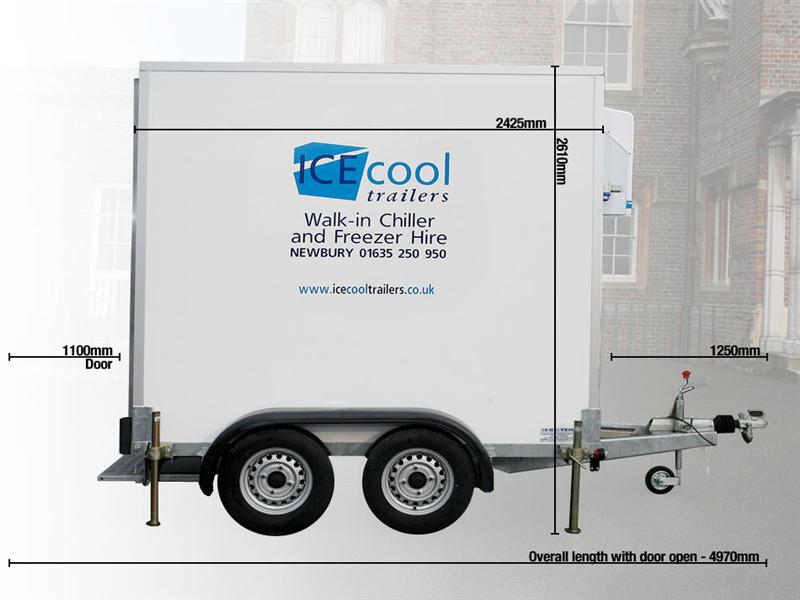
You own a London restaurant and one of your two freezer units goes down. Of course, you call Icecool Trailers for an emergency freezer trailer. Then you have the agonising process of deciding what to put in the trailer and what to keep inside. You might even be thinking of moving some of the excess inventory in your walk-in chiller to the freezer trailer, so that you can keep some of your frozen inventory inside.
This may sound like a confusing mess, but it's normal. Restaurants calling us for emergency freezer trailer rental go through it all the time. The good thing to know is that there are some rather surprising foods you can put in a freezer trailer without damaging them. Below is a list of foods commonly stored in chillers that could be put in the freezer instead.
Cooking Wines
Chefs are very particular about their cooking wines. At the most exclusive restaurants in London, you might find several half-used bottles of wine that the chef stores in the chiller so as to prevent further ageing that could disrupt his recipes. Well, guess what? That wine can be frozen without harming it.
Even if a chef would refuse to use cooking wine that had been previously frozen, it can be used for other purposes. Freeze it in cubes that can be added to mixed drinks. Use the cubes to create interesting desserts or standalone snacks.
Cakes and Other Pastries
Cakes and pastries without cream can be easily frozen for a couple of weeks without harm. The one caveat here is making sure that the pastries are completely cooled before freezing. Otherwise, condensation that occurs during the freezing process will create a messy situation when it comes time to thaw the pastries.
Fresh Fruits and Vegetables
Most fresh fruits and vegetables can be frozen for short amounts of time. Fruits lasts longer than vegetables, so keep that in mind. The key to doing it correctly is to make sure vegetables are chopped and packaged rather than frozen whole. Fruits can be left alone or chopped into smaller pieces if necessary.
It is a good idea not to leave fresh fruits and vegetables frozen for more than a week. Otherwise, freezer burn could affect both taste and texture.
Dairy Products
Last but not least, dairy products like milk and yogurt can be frozen for short amounts of time. Liquids should be placed inside containers that leave plenty of room for expansion, while yogurt products can remain in their original packaging. Freezing can extend the life of dairy products that are used in cooking rather than sold directly.
Proper Freezing Techniques: Maximising Food Quality During Emergency Storage
When restaurants are forced to transfer inventory to emergency freezer trailers due to equipment failure, the temptation is often to simply move items as quickly as possible without much thought to preparation. However, how you freeze food dramatically impacts its quality when you eventually thaw and use it. Taking a few extra minutes to prepare items properly before freezing can mean the difference between food that remains restaurant-quality and stock that suffers noticeable degradation in texture, flavour, or appearance. This is particularly important because customers dining at your establishment expect consistent quality, and frozen-then-thawed ingredients that have been improperly prepared will be noticeably inferior compared to fresh stock.
The golden rule of freezing is to minimise exposure to air and moisture. Items that are not properly wrapped or contained will suffer from freezer burn, which creates dry patches that affect both taste and texture irreversibly. Before freezing, remove as much air as possible from storage containers or use vacuum-sealing equipment if available. Label everything with the date frozen and contents, as it is surprisingly easy to lose track of what you have stored and when it was frozen, particularly during the chaos of an equipment emergency. For items like sauces, stocks, and prepared components, consider freezing them in ice cube trays or small portions rather than large containers – this allows you to thaw only what you need rather than defrosting entire batches and potentially wasting unused portions. Pre-portioning also accelerates thawing time, which is important because food safety regulations require that thawed items be used within specific timeframes. Restaurants that invest thirty minutes in proper preparation before transferring inventory to a freezer trailer often report minimal quality loss, whilst those that simply dump items into the trailer hastily frequently discover compromised stock when it comes time to use it. During an equipment emergency, taking time for proper preparation actually saves money by preserving food value and reducing waste.
Emergency Planning: Creating a Freezer Trailer Inventory Strategy
One lesson experienced restaurant operators learn quickly is that equipment failures rarely happen at convenient times. A freezer breakdown on Friday afternoon means you are scrambling to preserve stock over a weekend when permanent repairs may not be possible until Monday. Having a clear strategy in advance for which items go where during an emergency dramatically reduces stress and minimises food waste when disaster strikes. Rather than making panicked decisions about what to freeze during the crisis itself, forward planning allows you to act methodically and protect your most valuable inventory.
Before you ever need an emergency freezer trailer, take time to audit your current frozen and chilled inventory and categorise items based on how well they freeze and for how long. Some items – like pre-prepared components, stocks, and sauces – freeze beautifully and actually benefit from being frozen because it extends their usable life. Others, like fresh fish or delicate proteins at peak quality, should remain in your primary chiller unless absolutely necessary. Create a simple priority list documenting which items should be transferred first if you lose refrigeration capacity, ensuring your most valuable or time-sensitive inventory is protected. This planning also helps you communicate clearly with Icecool Trailers about your needs – rather than saying "I need a freezer trailer," you can specify "I need capacity for approximately 150kg of prepared components and 100kg of fresh vegetables," which allows us to recommend the appropriately sized unit. Many restaurants we work with have discovered through this planning process that they could actually benefit from permanently leasing a small supplementary freezer unit to provide overflow capacity during peak seasons, reducing their reliance on emergency rentals. The investment in thirty minutes of advance planning pays dividends when an actual emergency occurs, transforming a potentially chaotic situation into a managed response that protects your food stock and keeps your operation running smoothly.
If you ever need an emergency freezer trailer to keep your restaurant up and running, do not hesitate to give us a call. Icecool Trailers has been providing on demand emergency refrigeration for more than 20 years. We serve most of the southern portion of England and South Wales, including same-day emergency service to the Greater London area.
